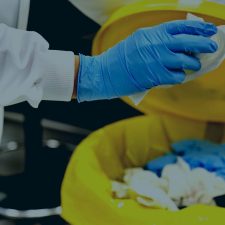
Medical waste disposal is a critical aspect of healthcare and plays a crucial role in protecting public health and the environment. The proper disposal of medical waste ensures that potentially harmful materials are handled in a safe and responsible manner. Medical waste refers to any items that come into contact with body fluids, tissues, or other potentially infectious substances in a healthcare setting. These can include used needles, syringes, bandages, contaminated gloves, and various other items.
The significance of effective medical waste disposal cannot be overstated. Improper handling and disposal of medical waste can have severe consequences for both human health and the environment. Exposure to hazardous medical waste can lead to the transmission of infectious diseases such as HIV, hepatitis B and C, and other bloodborne pathogens. In addition to the potential risks to human health, improper disposal methods can also contaminate water sources, soil, and wildlife if medical waste is not properly treated or incinerated.
The Importance of Proper Medical Waste Disposal
Proper medical waste disposal is crucial for maintaining a safe and healthy environment in healthcare facilities. It not only protects the healthcare workers and patients but also ensures that the surrounding community remains unharmed. In Atlanta, Georgia, where numerous healthcare facilities operate, Medical waste disposal Atlanta is essential to prevent the spread of infectious diseases.
One of the main reasons why proper medical waste disposal is important is the potential transmission of infectious diseases. When medical waste is not handled correctly, it can become a breeding ground for bacteria, viruses, and other harmful microorganisms. The improper disposal of used needles or contaminated gloves can pose a serious risk to anyone who comes into contact with these items. In Atlanta, healthcare providers must ensure that proper protocols are followed to eliminate the risk of disease transmission.
In addition to the risk of transmitting infectious diseases, improper medical waste disposal can also have negative impacts on the environment. Medical waste that is not properly treated or incinerated can contaminate water sources, soil, and wildlife. This can have far-reaching consequences for ecosystems and the overall health of our planet. Proper medical waste disposal methods, such as sterilization and safe disposal in designated containers, are essential to minimize these environmental risks.
Furthermore, proper medical waste disposal plays a significant role in maintaining public trust in the healthcare system. When patients visit healthcare facilities, they expect that their safety and well-being will be prioritized. Effective medical waste management demonstrates a commitment to this responsibility and helps to build confidence in the quality of care provided.
Overall, the importance of proper medical waste disposal cannot be overstated. It is crucial for safeguarding public health, protecting the environment, and upholding the integrity of the healthcare system. Effective regulations and strict adherence to proper disposal protocols are essential to ensure the safe handling and treatment of medical waste.