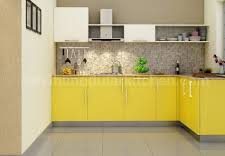
Cabinet design is an essential aspect of interior design that greatly influences the functionality and aesthetic appeal of a space. Cabinets are not only functional storage units but also act as eye-catching elements that can enhance the overall visual appeal of a room. Whether it’s a kitchen, bathroom, bedroom, or living room, well-designed cabinets can optimize space utilization while adding character and organization to any area.
When it comes to cabinet design, there are various factors to consider, such as the materials, style, layout, and colors. A carefully curated cabinet design can transform a dull and disorganized space into a highly efficient and visually pleasing environment. It’s crucial to strike the right balance between functionality and aesthetics, ensuring that the cabinets not only meet your storage needs but also align with the overall design theme of your home. Whether you’re looking for a traditional, contemporary, or minimalist design, cabinets play a pivotal role in creating a cohesive and harmonious living or working space.
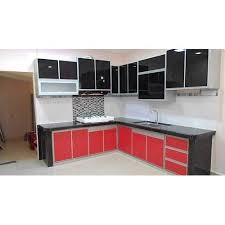
A cabinet designer is a professional who specializes in creating functional and aesthetically pleasing storage solutions for various spaces. To become a cabinet designer, there are certain skills and qualifications that are necessary. Lets discuss and get more insights to get a perfection. Firstly, a strong background in design and construction is essential. Cabinet designers need to have a deep understanding of materials, measurements, and structural integrity to create durable and effective cabinets. Additionally, proficiency in computer-aided design (CAD) software is crucial, as it allows for accurate and detailed designs. Understanding industry trends and staying up-to-date with the latest innovations in cabinet design is also important for a successful career in this field.
In addition to technical skills, a cabinet designer must also possess excellent communication and problem-solving abilities. They need to effectively communicate with clients to understand their storage needs, design preferences, and budget constraints. Through careful listening and effective communication, a cabinet designer can create personalized solutions that meet the specific requirements of each client. Problem-solving skills are essential for overcoming challenges that may arise during the design and installation process, such as awkward room layouts or limited space. By finding innovative solutions, a cabinet designer can ensure that the final design is both functional and visually appealing. Overall, cabinet design is a highly specialized field that requires a combination of technical proficiency, creativity, and a keen eye for detail to create beautiful and functional storage solutions.